Sara Faisal, Senior Strategist, Imagination Saudi.
The completion of Saudi Arabia’s Fiscal Sustainability Programme in early 2025 marks more than the achievement of a financial target – it signals a critical shift in the Kingdom’s readiness to partner with private-sector brands in shaping its next era of tourism, culture and placemaking.
What began in 2016 as the Fiscal Balance Programme has helped position Saudi Arabia for long-term economic resilience and growth. For brands, this is a rare window: the public sector has laid the groundwork, and now the private sector is being invited to help define the experience layer through culture, entertainment, retail and technology.
A new era for brand-led tourism
With Expo 2030 Riyadh and the FIFA World Cup 2034 ahead, Saudi Arabia is strategically developing tourism infrastructure that emphasises commercial sustainability. But this isn’t limited to Riyadh or Jeddah. Other cities such as Abha, Hail and Al Ahsa are becoming dynamic zones for culture, retail and immersive brand experiences. It’s a diversification strategy that brings with it untapped potential, especially for brands looking to grow with the market rather than follow it.
Tourism in the Kingdom is structured around three core pillars: domestic travel, religious pilgrimage and international tourism. For each of these audiences, the infrastructure and intent to create deeply engaging experiences exists, and brands are increasingly seen as partners in delivering them.
What’s different now? Opportunities for brands
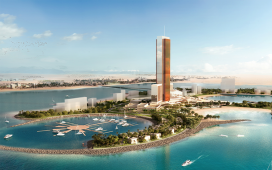
Saudi Arabia’s enhanced fiscal position is accelerating the delivery of some of the region’s most iconic tourism and cultural developments. Destinations such as Diriyah Gate, The Red Sea Project and the King Salman Park aren’t just government initiatives, they are canvases for brand expression. These places need the kind of experiences only brands can deliver, from hospitality and retail to live activations and immersive storytelling. But what matters most is how brands show up.
The new Saudi tourism landscape demands authenticity. It’s not enough to be present; experiences must align with local culture, values and aesthetics. The strongest brand activations will be those that listen closely, collaborate meaningfully and reflect regional identity while offering world-class engagement.
‘‘It’s not enough to be present; experiences must align with local culture, values and aesthetics.”
Sustainability is also front and centre. From eco-tourism in coastal zones to adventure offerings in mountainous regions, there’s growing space for purpose-driven partnerships. Brands that align with this national focus – not just in message, but also in action – stand to gain long-term equity with visitors and Saudi residents.
Meanwhile, the rapid development of a local tourism workforce creates fresh opportunities for brands to embed themselves more deeply. Hospitality academies, cultural ambassador programmes and entrepreneurial initiatives are producing a new generation of storytellers, guides and innovators. Co-creating with this talent not only builds relevance; it builds trust.
And finally, technology is reshaping every touchpoint. Smart tourism systems, immersive heritage experiences and seamless digital infrastructure are making Saudi Arabia a future-ready tourism market. For digitally fluent brands, the possibilities are endless, from personalised engagement to scalable flagship activations.
Why it matters now
By 2030, Saudi Arabia aims to welcome more than 100 million visitors annually and to rank among the top global tourism destinations. That scale isn’t just a national ambition but a global platform for brand visibility, relevance and growth.
The first movers will have an edge. Early investment, whether in hospitality, retail, entertainment or content creation, will position brands as foundational to Saudi Arabia’s tourism identity. The government is actively inviting public-private collaboration across these sectors, making this a moment of strategic alignment.
Helping shape the future of tourism in Saudi Arabia
At Imagination, we work at the intersection of government vision and brand creativity. We’ve helped shape tourism strategies and placemaking initiatives across the Kingdom – from Riyadh to Jeddah, and from AlUla
to Hail.
Our work goes beyond execution, helping brands navigate the nuances, legal frameworks, cultural codes, multi-layered approvals and deliver experiences that resonate deeply and perform commercially.
Whether it’s activating stories at Diriyah, designing digital experiences for tourism visas, or supporting cultural initiatives in the south, we understand that success here depends on insight, agility and respect.
Saudi Arabia isn’t just building infrastructure; it’s building meaning, identity and invitation. For brands ready to think beyond traditional sponsorships or campaigns, this is a historic opportunity to co-create something enduring.
To stand out in the next phase of global tourism, brands must not only be seen, they also must be felt. In Saudi Arabia, the moment to make that impact is now.
By Sara Faisal, Senior Strategist, Imagination Saudi.