


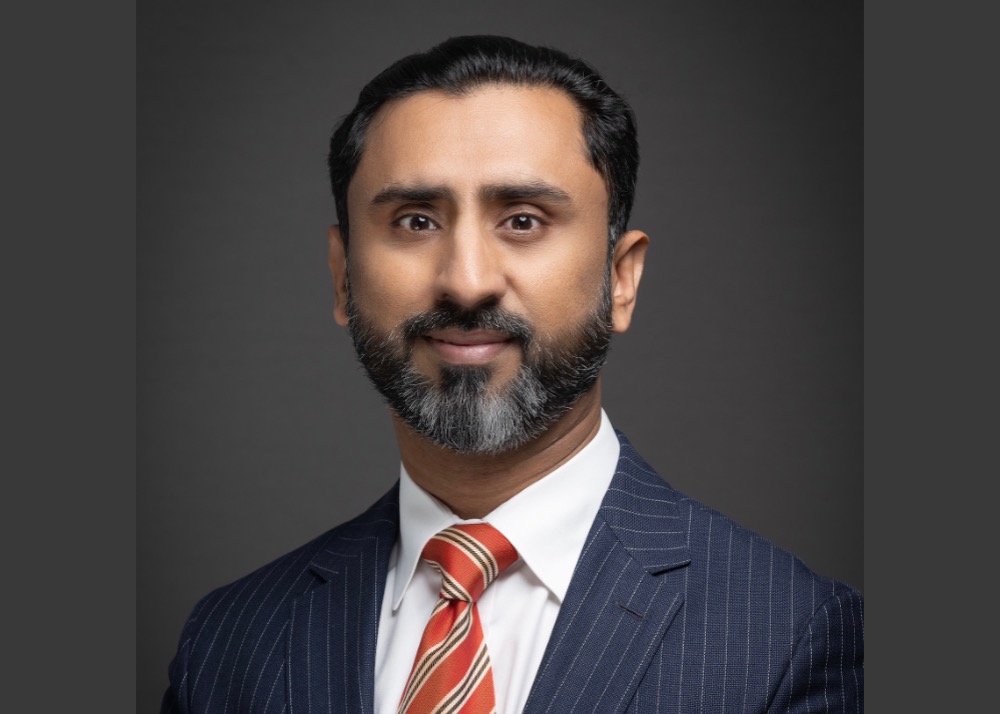
 Amin Aslam, Senior Account Director PR – Advisory and Corporate Communications, Viola Communications
Resilience is never built in a crisis. A crisis only reveals whether you built it. I have walked the halls of ADIPEC for 13 years of my 26 years career. In boom years, every conversation was about capacity and growth. In lean years, it was about cost.
But this year, the conversation has changed dramatically. Nobody is asking how many barrels anymore. They are asking how they will reach the market.
The show that outgrew its halls
Thirteen years ago, ADIPEC drew about 51,000 visitors, some 1,600 exhibitors and 300 speakers. This year, organisers expect more than 239,000 visitors, matching last year’s record, with over 2,260 exhibiting companies and more than 1,800 speakers.
Since 2013, ADIPEC’s audience has grown almost fivefold, and its speaker list sixfold. Every stand now faces more than three times the visitors it did by then. That growth did not pause for this year’s regional disruption.
On the contrary, ADIPEC 2026 is the largest exhibition in its history. All 16 halls are fully booked, and the opening ceremony moved to the Abu Dhabi Energy Centre to free up space for exhibitors. Asian participation is its strongest ever. The world did not stay away from the Gulf. It filled every hall and asked for more.
In my experience, what ADIPEC talks about in November, the corporate boards budget for in January. This year, it is talking about resilience.
Why it held
The resilience on the floor reflects the system behind it. The Habshan-Fujairah pipeline, commissioned in 2012, carries 1.5 million barrels a day of crude from Abu Dhabi’s onshore fields to Fujairah on the Gulf of Oman, staying clear of the main shipping line.
It was built 14 years before this year put it to the test. Beyond its everyday role, it was an insurance policy. This year, that policy paid out. Dr Sultan Al Jaber, ADNOC Managing Director and Group CEO, captured it in one sentence: “We did not write our resilience playbook during this disruption.”
The Habshan-Fujairah pipeline was never built for a good year. It was built for this one. So, in its own way, was ADIPEC as the same law governs reputation.
Reputation is a pipeline too
The record speaks before the spokesperson does. No campaign fills 16 halls in a year like this one. A track record does. Trust is not a communications output. It is a byproduct of the work being real.
The 239,000 people expected on this floor will hear about a company from each other, from the press, and more and more from AI models that answer before any spokesperson does. Few leadership teams could say what those models tell an investor about them in Arabic, or whether it matches the English answer.
Every organisation has its own Fujairah route: the regulator relationship built over years, the holding statement already approved in Arabic and English, and a named person authorised to release it at any time, backed by a tested plan and plenty of crisis simulations.
That last part decides most crises. Organisations are rarely silent because they lack words. They are silent because no one has the authority to end the silence. Years of building crisis capability has taught me that the gap is seldom the plan. It is what the person on shift at three in the morning is allowed to say without calling anyone.
The lesson for boards
In 2013, the exhibition met under the theme “Energy for All in a Changing World”, and the agenda was supply, growth and the rising role of gas. This year, the organisers have built it around growth, reliability, intelligence and delivery, and added a conference programme on energy security and resilience. Barrels still matter. But the questions on the floor are now as much about the routes that carry them, the systems that run them and the trust that keeps investors and customers behind them.
Pipelines and reputations are built the same way; years in advance, at a cost that looks excessive until the day it is needed. The value of that preparation lies mostly in what does not happen, which is why this year’s lesson belongs in the boardroom as much as in the crisis manual. What held this year was built in quieter years. The next disruption will test what leaders choose to protect in their budgets now.
By Amin Aslam, Senior Account Director PR – Advisory and Corporate Communications, Viola Communications







