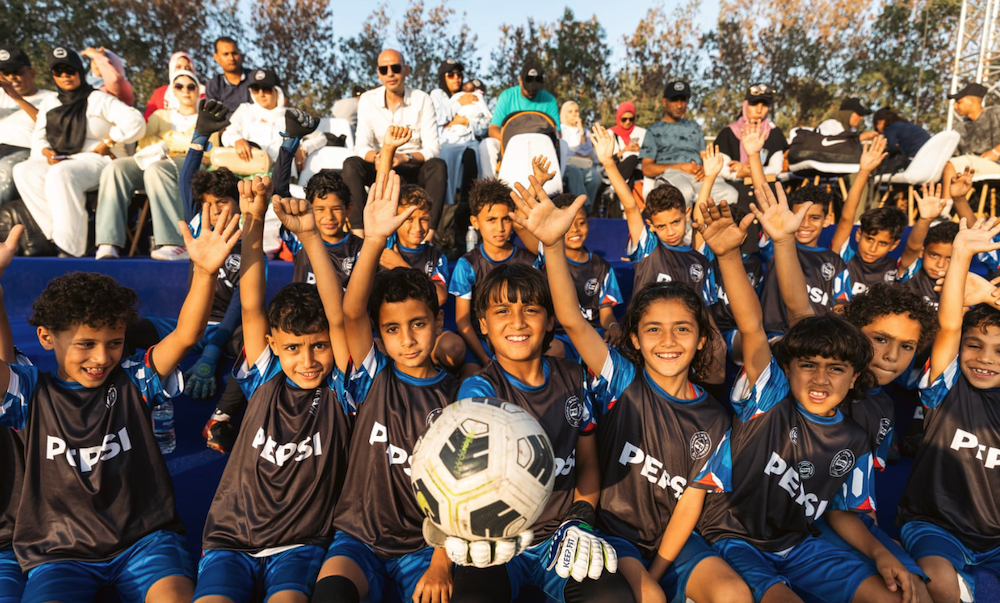
 The Pepsi Stars programme, previously called the Pepsi School League, is
one of the longest-running youth sports initiatives in the region.
The Pepsi Stars programme, previously called the Pepsi School League, is
one of the longest-running youth sports initiatives in the region. Picture this: It’s half-time at your World Cup final of choice, and everyone gathers around the television. Eyes across the globe tune in while advertisements begin to roll.
Your favourite athlete is featured promoting cologne, cars or insurance plans, and you find yourself paying attention.
The usual questions arise in conversation: I wonder how much the athlete was paid to promote that product? Does that brand align with the athlete’s values and lived experiences? I wonder how much that cologne costs? Do I want to buy it as well?
When purpose and personality align
It turns out that we as consumers – or fans of a sporting legend – connect with the brand ambassadors we like before we learn to love a brand.
However, this form of marketing falls flat if there’s a lack of authenticity, leaders tell Campaign Middle East. Consumers need to see their personal values reflected in the athletes that they follow in order to emotionally invest in the brands that they represent.
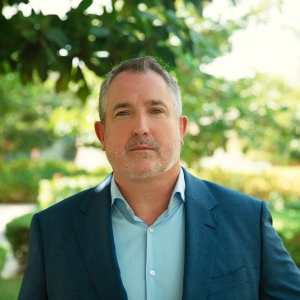
“Unlike other industries, sports fans don’t just consume content – they live it,” says Seth Hand, Managing Director – Middle East, TrailRunner International. “Their emotional investment in their favourite teams and athletes is deeply personal and can often define their personality and communities they live in. That’s why authenticity is the most valuable currency in sports marketing.”
This is especially pronounced in the Middle East, where sport is an increasingly powerful driver of national identity and economic transformation.
Explaining why authenticity is extremely significant in the region, Hand says, “Fans in the Middle East are not just spectators; they feel they are part of a shared story of national and regional growth and ambition. The brands and organisations that understand this can build relationships that go far deeper than just creating awareness.”
This requires brands to view sports marketing as far beyond a sponsorship play. It requires brands and athletes to ‘walk the talk’ together. For instance, the Saudi Sports for All Federation (SFA) has committed to athlete collaborations rooted in community outcomes to resonate with consumer values and build trust.

Abdulaziz Binhassan, Senior Marketing and Communications Specialist, SFA, explains, “Authenticity begins when a partnership serves a purpose larger than exposure. In Saudi Arabia’s Vision 2030 era, authenticity means representing shared ambitions such as national pride, wellbeing and progress through athletes who live those values. When purpose and personality align, the impact becomes both emotional and measurable. It’s not
about borrowing influence; it’s about building shared meaning.”
Agreeing with this notion, Sony AbdelMohsen, Partner, Innovation Crew, says, “Authenticity is when an athlete’s story and a brand’s truth walk the same path, you can’t fake that chemistry.”
A great example of a brand and athlete going the distance together is PepsiCo with Mo Salah. AbdelMohsen, who worked with PepsiCo for more than four years, explains how Pepsi’s Grassroots Programme – which was then called the Pepsi School League in Egypt – helped the young Egyptian footballer find his feet before he became a regional and global sensation. “Mo Salah’s relationship with Pepsi didn’t start with fame; it started at the grassroots,” AbdelMohsen says. Pepsi’s foray into sports marketing didn’t begin with Mo Salah. It didn’t end with Mo Salah, either.

The Pepsi School League in Egypt remains one of the longest-running youth sports initiatives in the region. It gives thousands of young players a platform to compete, grow and dream bigger.
“From those early school pitches to global stadiums, Salah’s journey reflects the same Pepsi belief: dare for more and live what you love,” AbdelMohsen adds.
This shows how a brand’s values can shine even brighter through the lived experience of athletes.
Speaking as a fan, AbdelMohsen adds, “Even after leaving PepsiCo, I continued working on their football programmes, including Pepsi Stars and Pepsi Grassroots. Watching young athletes rise through those systems from local talent to national pride has always inspired me. That empowerment, that consistency, is what real authenticity looks like.”
Diving deeper into the kind of values that PepsiCo looks for in the athletes it partners with, Karim Mohsen, Chief Marketing Officer – Middle East Africa, PepsiCo, says, “We look for shared values such as energy and passion. When a partnership feels like a continuation of what the athlete already represents, it feels authentic.”

He adds, “Authenticity in sports goes beyond visibility or forced endorsements. It’s about alignment between what the athlete stands for and what the brand believes in.”
Fleur Castle, CEO, F31, takes this a step further stating that these shared values must go beyond what brands and athletes ‘believe’ and must be visible in their daily lives.
She explains, “Authenticity comes when a brand’s values map to an athlete’s lived story – how they train, fuel, perform and recover – and when the brand genuinely contributes to that journey. In technical categories, it’s simple: does the product make the athlete better?”
While it’s important for athletes serving as brand ambassadors to reflect shared values, it’s also equally important for the brand to reflect what an athlete stands for. This requires collaboration and co-creation
Calling the decades-long collaboration between Kenyan marathon runner Eliud Kipchoge and Nike a benchmark in sports marketing, Castle says, “Kipchoge doesn’t just wear the products; he also helps invent them. He brings them to life in ways that capture global imagination.”
Castle adds that in non-technical categories, partnerships need to work harder to be authentic.
Rather than merely looking at brand and business outcomes, Castle says that it’s important to ask how a brand can help an athlete grow, and what meaningful, transferable value the athlete can give back.
‘‘Meaningful partnerships create value you can’t always chart immediately; but you feel it in culture, community and long-term behaviour.’’
Building a mutually beneficial relationship
But authenticity alone is no longer enough. As the region’s sports economy accelerates, brands and athletes are learning that genuine partnerships must also deliver mutual, measurable value. It’s not just about awareness or visibility but rather growth for both sides.

Marketers suggest that brands must consider the athlete beyond the sport and extend partnerships to holistically include the highs and lows of an athlete’s career.
F31’s Castle agrees, saying that the strongest relationships are those that support “the whole athlete” far beyond peak performance years. Injury, maternity leave, retirement – the moments most brands ignore are, she says, is where true partnership is tested.
“Corporates that offer career pathways for former athletes are a brilliant example of mutual benefit,” says Castle. “Some of the smartest, most tenacious people I’ve worked with come from high-performance sport. Bringing those athletes into the business post-retirement turns a sponsorship into a multi-decade value proposition.”
To hear from some of the region’s athletes themselves, Campaign Middle East hands the floor over to:
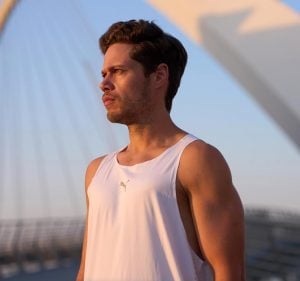
- Evren Ozka, entrepreneur, endurance runner and PUMA athlete
- Nelly Attar, extreme sports athlete and
- Rasha Abdo, Jordan Women’s National Team basketballer.
They make the case for what it means to be truly represented by a brand and offer personal insights on how athletes can be purpose-driven custodians of a brand through mutually beneficial partnerships.
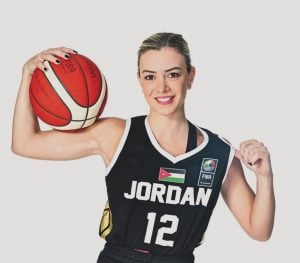
“Authentic partnerships go beyond logos and campaigns; they reflect shared values,” says Abdo. “When a brand celebrates who you are on and off the court, it creates a genuine connection that audiences can feel.”
“The athlete brings credibility, passion, and a real story that inspires people, while the brand provides a platform and purpose that amplify that voice,” she adds, stating that collaboration can build something meaningful “that connects with communities and drives positive impact for both.”
Attar says that she only works with brands that she believes in and that value her authenticity, creativity and voice. “Otherwise, it is not an authentic or genuine partnership,” she explains.
“When there is genuine alignment between the athlete and the brand, everything flows naturally,” says Ozka. “It is not just about visibility or logos, it is about both sides believing in the same things.”
He adds, “Brands must support the athlete’s overall journey, not just their performance. And from the athlete’s side, it is about representing something you care about. When that connection is real, both sides benefit because fans can feel the authenticity.”
Redefining success in sports marketing: Measuring long-term impact
While half-time commercials may still capture attention, the value of sports marketing today has shifted beyond visibility and short-term attention metrics to changing consumer behaviour and fostering long-term brand relationships.
“Influence in sports today is not only about the number of followers, but also about measurable behaviour change,” says Binhassan. “Campaigns that inspired real behaviour change consistently outperformed those optimised only for clicks.”
Innovation Crew’s AbdelMohsen argues that emotional resonance is the most accurate indicator of influence. His reasoning behind this is visible in Pepsi’s long-running work with Sami Al Jaber, Farah Jefry and Mohammed Al Owais – athletes chosen not for follower counts, but for the values they symbolise: legacy, ambition and national pride.
Binhassan builds on this, explaining how athlete-led advocacy helped scale the Riyadh Marathon from 10,000 runners in 2022 to more than 40,000 by 2025.
“At SFA, we track impact through both digital engagement and real-world participation,” he explains. “The growth of the Riyadh Marathon is proof of when influence inspires action rather than impressions.”
“Brands must measure resonance, not just reach, by evaluating consistency, authenticity and long-term outcomes,” he adds. “The real metric of success is not who saw the message but who moved because of it.”

If building trust, credibility and cementing lasting behaviour change is the objective, Castle says that athletes definitely deliver commercial value. They build deeply engaged and passionate audiences when they invest in stories people care about.
“That emotional connection is an opportunity for brands to make their corporate messages feel personal and believable,” says Hand. “When an athlete or an ambassador aligns with a brand’s purpose and values, awareness turns into influence, action and loyalty.”
Furthermore, Hand explains that in digitally native, culturally connected markets within the Middle East, authenticity and relevance outperform volume metrics.
“Real influence moves people to act, not just scroll,” he says. “The brands getting it right have stopped counting likes to measure impact and credibility.”
On that note, Castle says that when measuring the success of athlete-brand partnerships, traditional dashboards don’t make the cut as they capture exposure, not behaviour.
She advises that this is where the industry must mature. “Dashboards help with reporting, but they rarely capture true behavioural change and cultural impact,” she says. “The most valuable partnerships build movements, not content calendars.”
“Data still matters – it keeps us disciplined – but meaning creates loyalty and advocacy,” she adds, arguing that success should reflect outcomes such as community growth, behaviour change, cultural relevance, or athlete-brand product integration, depending on the brand’s objectives.
“Meaningful partnerships create value you can’t always chart immediately,” she says, “but you feel it in culture, community and long-term behaviour.”
Across all voices, the message is clear: successful brand-athlete partnerships are defined by movement – by people who act, not merely watch. This is particularly true in the Middle East, as national identity, youth sentiment and sport are deeply intertwined.
“In Saudi Arabia’s fast-growing sports economy, meaning drives movement and movement drives value,” says Binhassan. “Brands should evaluate how their initiatives contribute to Vision 2030 goals such as community engagement, youth activation and healthier lifestyles.”